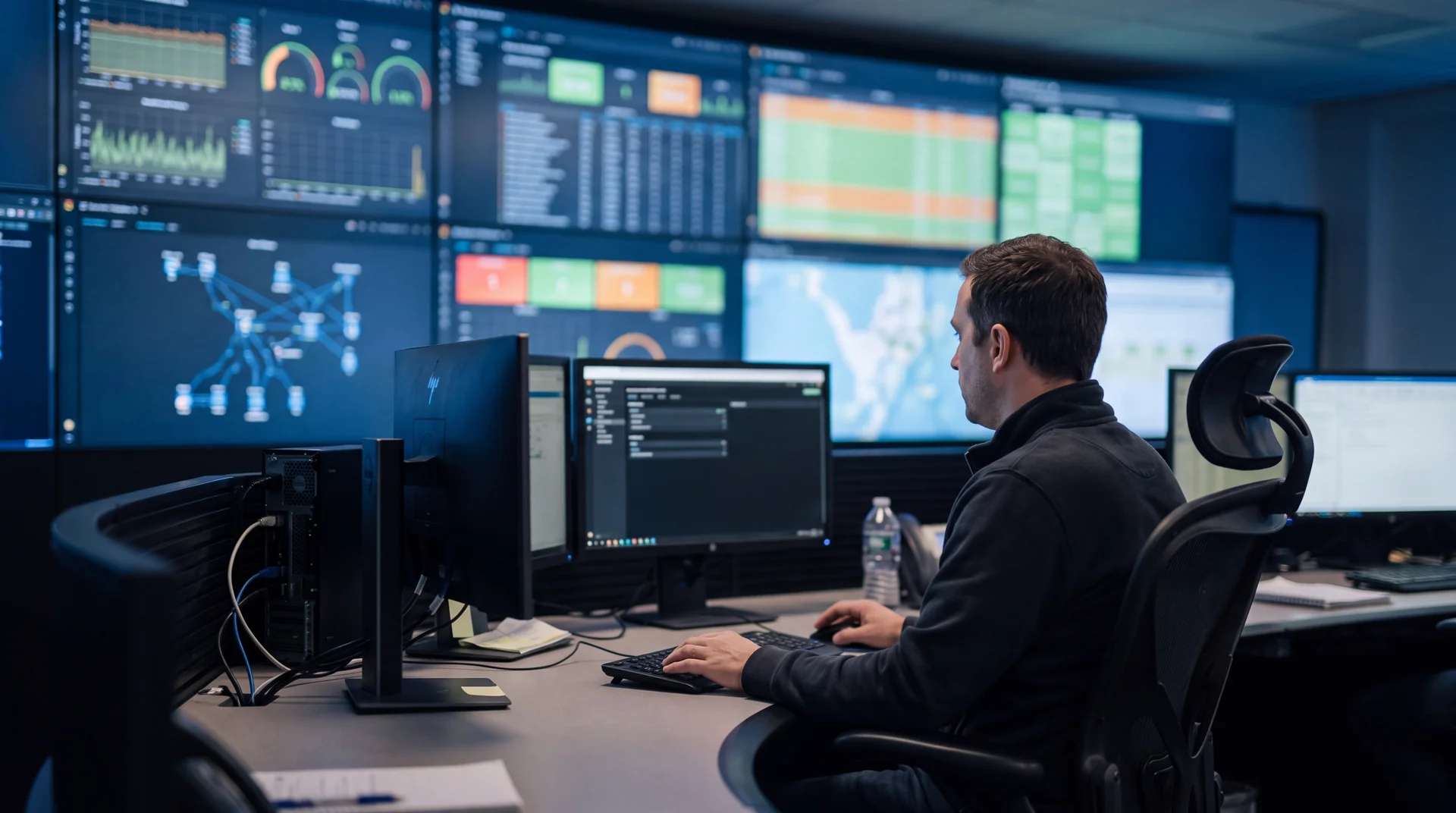
The traditional IT department is making way for more agile solutions and businesses are having to adjust their strategies to ensure they are evolving faster and smarter by the day. These are just some of the factors affecting how businesses are approach their IT right now.
Accelerated digital demand
Everything needs to go digital, and fast. The pandemic facilitated a massively accelerated digital shift for businesses creating a knock-on effect on all departments and systems. The result? An increased volume of IT work that requires action across the entire enterprise.
Attracting and retaining IT talent
“More positions than people” has been the default in the IT talent space for some time, but the remote work surge has only increased competition. With so many positions available, remote workers can charge higher rates and simply move on when something better comes along. Add to this, the challenges that go with a dispersed workforce such as unplugging after work, loneliness, and communication and collaboration hindrance and attracting the right talent at the right price becomes problematic.
Containing rising costs
As costs soar globally and inflation and recessions loom, most businesses are looking to how they can use IT to increase operational efficiencies and boost productivity. But, along with rising demand for tech solutions come rising costs to implement them. Meanwhile budgets continue to shrink.
Increased cyber security vigilance
Cyber security and data safety remain one of the core concerns for businesses right now, but with enhanced geopolitical instability across the globe, that threat has become more pervasive than ever - with a notable increase in cyberattack from hacking to malware, phishing and data breaches.
Supply chain disruption
The impact of global instability can be felt in physical terms too. As certain industries reel from the effects of war, climate change events and pandemic after-effects, supply chains are being impacted with shortages of key technology components vital to computer and server maintenance. Businesses are having to become more flexible and adaptable in terms of where and how they access these elements.
Supportwave CEO, Kelvin Wetherill says “Business leaders are certainly facing a challenging time and I believe they need to lean in to change and embrace flexibility in order to overcome these obstacles. We are pioneering on-demand skill-sourcing to offer businesses and MSPs multiple locations and wide spread teams to tackle traditional IT challenges worldwide. We harness the power of decentralized IT Services to make it work for both freelancers and businesses."
If you would like to get an IT experts opinion on how you can best navigate these issues, you can book a IT Expert for a consult on www.supportwave.com